
Electrosurgery
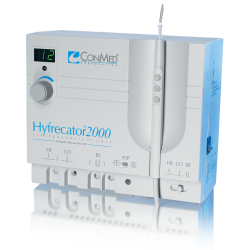
ConMed Hyfrecator 2000 Electrosurgery System (7-900-115) *R*
Product Code: 7-900-115
Conmed Hyfrecator® 2000 Electrosurgical System — Precision, Safety, and Versatility for Of..
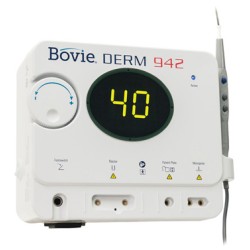
Bovie Derm 942 High Frequency Desiccator (A942) *R*
Product Code: A942
Bovie Derm 942 High Frequency Desiccator (A942) The Bovie® DERM 942 High Frequency ..
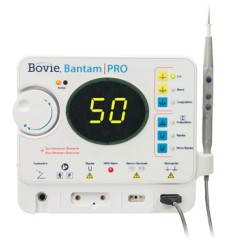
Bovie Bantam Pro Electrosurgical Unit (A952) *R*
Product Code: A952
The Bovie A952 Bantam PRO Electrosurgical Desiccator System delivers the versatility of two devices ..
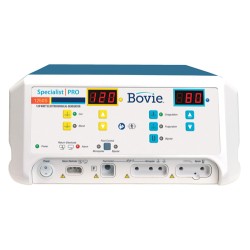
Bovie Specialist Pro Electrosurgery Unit (A1250-S) *R*
Product Code: A1250S
The Bovie A1250S Specialist PRO Electrosurgery Generator is a versatile, cost-effective solution for..
Electrosurgical Units and Accessories for Precision Surgical Performance
Mohawk Medical Mall supplies a complete range of electrosurgical units (ESUs) and accessories designed for safe, precise, and efficient tissue cutting and coagulation. Our selection includes trusted systems used across outpatient surgery centers, physician offices, dermatology practices, OB/GYN clinics, and hospital operating rooms.
We carry new, manufacturer‑authorized electrosurgical equipment—never refurbished—ensuring clinicians receive reliable, compliant devices built for daily surgical use.
High‑Performance ESU Systems for Every Surgical Setting
Electrosurgery is essential for modern procedures, offering controlled cutting, coagulation, desiccation, and fulguration with minimal blood loss. Our curated selection includes:
-
Monopolar and bipolar electrosurgical units
-
High‑frequency surgical generators
-
Electrosurgical pencils and handpieces
-
Disposable and reusable grounding pads
-
Cautery tips, electrodes, and accessories
-
Smoke evacuation and filtration solutions
-
Dermatology and office‑based electrocautery devices
These systems are engineered for consistent performance, intuitive operation, and compliance with modern safety standards.
Trusted Brands for Surgical Reliability
Mohawk Medical Mall partners with leading electrosurgical manufacturers known for precision, safety, and durability. Our catalog includes systems designed for:
-
General surgery
-
Dermatology and cosmetic procedures
-
OB/GYN and LEEP procedures
-
Podiatry and wound care
-
Office‑based minor surgeries
Each device is selected to meet the demands of high‑volume clinical environments while maintaining strict safety and performance standards.
Why Healthcare Providers Choose Mohawk Medical Mall
Clinicians and surgical teams rely on Mohawk Medical Mall for:
-
Authorized, brand‑new ESU systems
-
Contract‑protected pricing with no retroactive changes
-
Fast, reliable shipping from a U.S. medical distributor
-
Expert support for selecting the right ESU and accessories
-
Full compatibility guidance for electrodes, pencils, and grounding pads
-
Long‑term value through durable, serviceable equipment
Whether you’re outfitting a new surgical suite or replacing aging equipment, our team ensures you receive the right electrosurgical solution for your clinical needs.
Built for Safety, Efficiency, and Clinical Precision
Modern electrosurgical units incorporate advanced safety features such as return electrode monitoring, automatic power adjustments, and mode‑specific presets. These innovations help reduce risk, improve workflow, and support consistent surgical outcomes.
With a full range of ESUs and accessories, Mohawk Medical Mall helps providers maintain a safe, efficient, and fully equipped surgical environment.